

Good morning, community. Grab your coffee. Let's talk about panic in the inbox.
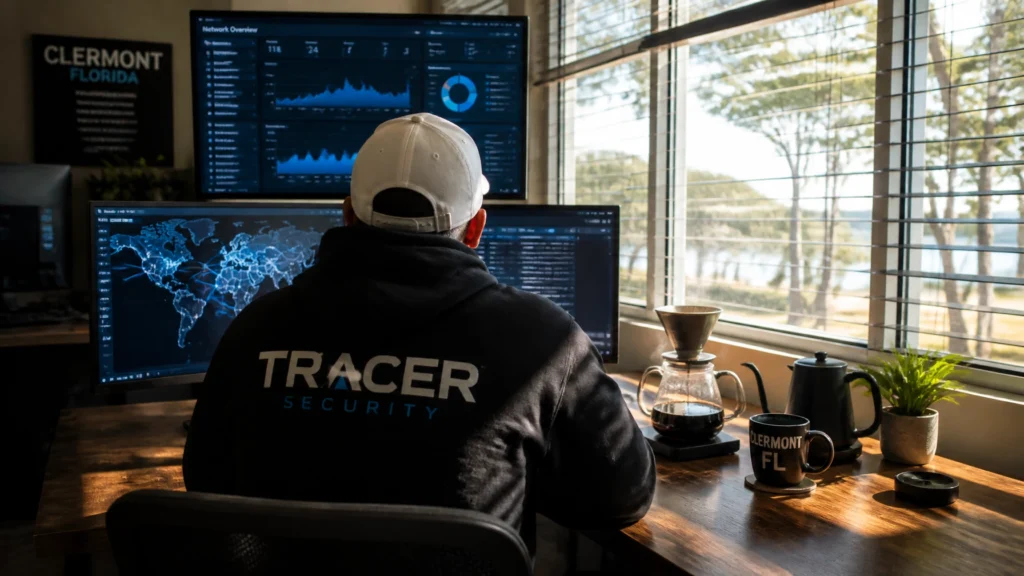
It’s Monday morning here at the FindASpy.com headquarters in Clermont, Florida. The fluorescent lights flickered twice before stabilizing, the fresh pour-over coffee is sitting right beside my keyboard, and the primary threat monitors are already quietly scrolling through global traffic logs. Standard procedure.
Of course, morning routines rarely go completely according to script. Ten minutes ago, the office printer decided that today was the day to swallow a sheet of cardstock sideways, emitting a sound like a small mechanical duck in distress. And my sticky note pad? Currently covered in reminders about three different vehicle sweeps and a reminder to call my mother.
But what really caught my attention before the coffee even cooled down was a fresh wave of panic arriving in reader inboxes across the country.
Seriously. Pull it out of your pocket right now. Open your email app and check your spam or inbox folders.
Did you get one?
You know the one. The email claiming that your data was leaked in the recent Carnival Corporation breach, warning you that hackers from the notorious group ShinyHunters have compromised your device, turned on your webcam, and recorded your private moments. The message demands $2,000 in Bitcoin or Litecoin within 48 hours, threatening to blast those non-existent recordings to your entire contact list if you don't pay up.
Sound familiar? If your heart skipped a beat, take a deep breath. You are definitely not alone.
This morning: August 3, 2026: our support line has been lighting up with panicked messages from individuals who received this exact sextortion pitch. It is loud, aggressive, and designed specifically to trigger pure, unfiltered terror.
And on the surface, it almost worked.
To understand why this scam feels so convincing, we have to look at where the bad actors got their ammunition.
Back in April 2026, Carnival Corporation reported a major data incident triggered by a social engineering attack targeting a single employee account. That single breach potentially exposed nearly 6 million records, including customer email addresses from loyalty programs like the Holland America Line Mariner Society.
Cybercriminals behind this new sextortion campaign took those leaked email lists and weaponized them. BleepingComputer and cyber intelligence researchers confirmed this week that these exact same extortion emails are pulling from fresh breach datasets spanning companies like Amtrak, Hallmark, Substack, Betterment, CarGurus, ADT, Panera Bread, and McGraw Hill.
Here is where the house of cards collapses, though: When researchers contacted the real ShinyHunters group, the hackers flat-out denied any involvement in this sextortion campaign.
Let that sink in. The scammers are simply dropping famous hacker names and real corporate breach terms into their template to borrow credibility. They want you to connect the dots yourself: “Carnival was breached. My email is right here. Therefore, they must have hacked my computer.”
It is a masterful illusion. But it is entirely an illusion.

Here is the golden rule of digital threat awareness that we preach every single day at FindASpy.com:
Having your email address exposed in a corporate database leak does not give anyone remote access to your laptop, your phone, or your webcam.
Think of a data breach like a parking garage break-in. If thieves break into the management office and steal the visitor sign-in log, they now have your name and license plate number. That is alarming. But it does not mean they have a key to your house, nor does it mean they are currently sitting in your living room.
The scammers sending these $2,000 crypto demands have zero access to your device. They don't have your passwords. They don't have video recordings of you. They are casting a massive net across millions of leaked email addresses, betting that out of every ten thousand people who open the message, a handful will panic, pay the ransom, and fund their next criminal enterprise.
When our team runs comprehensive digital diagnostics and counter-surveillance checks for clients who call us in a panic, the results are almost always the same: clean security scans, zero malware, and zero unauthorized device access.
You can explore our professional resources on counter-surveillance solutions and guidance on hidden camera detection if you ever want to verify your physical and digital environment with absolute certainty.

In a connected world, our digital footprint stretches further than we realize. Breaches happen, and corporate networks get targeted. That is an unfortunate reality of modern commerce.
However, awareness is your shield. When you understand how these threat actors operate, their psychological tricks lose all their power. You stop reacting out of fear and start responding with precision.
If you suspect your digital privacy has been compromised: or if you need discreet, professional guidance navigating a breach: our licensed, insured, and bonded team is here to help. Give us a call directly at 321-342-0040. We’re always ready to listen and help you secure your peace of mind.
And remember to keep an eye out for our Tracer’s Pick giveaway running this week in our community portal!
Before you dive into your busy Monday schedule, knock out these three protective steps:

Let’s check in with our network. Drop a comment below and let me know: What State are you reading this from, and did this particular cruise or data breach email land in your inbox this week?
Project Business Walk (our CEO and manager) reads every single comment posted here, so share your thoughts, ask your questions, and let's keep each other secure.
Have your own suspicious gadget or strange digital artifact you want us to examine? Click here to upload your own hidden discovery to share with the community!
Tomorrow morning over our next brew, we are talking about digital locks: and the spare keys we casually leave under the virtual welcome mat. You won't want to miss it.
Stay safe, stay vigilant, and keep your coffee warm.
( Tracer)
Your vote helps determine FindASpy Insider’s Readers’ Top Picks. One rating is allowed per reader for each article.
Today’s Coffee Conversation
Tracer shares cybersecurity stories, scam alerts, privacy tips, and investigative insights. Pull up a chair, share your experience, and help shape tomorrow’s discussion.