

The fluorescent lights in the FindASpy lab don’t just turn on; they groan into existence. One flick of the master switch and the hum of the servers starts to climb, like a jet engine preparing for a flight that never leaves the tarmac. It’s 6:45 AM. The air is cool, smelling faintly of ozone and yesterday’s determination.
I head straight for the breakroom. The ritual is sacred. Grinding the beans: dark roast, naturally: is the only time I get to focus on something mechanical before the digital world starts screaming for attention.
I set the pot to brew and head to my desk.

Typical morning. The printer is already blinking a frantic red light, claiming it’s out of paper despite a full tray. I ignore it. My main monitor is a graveyard of neon-green sticky notes. “Reset vault pass,” “Call Miller back,” and a half-dozen strings of alphanumeric gibberish that made sense at 2:00 AM but look like hieroglyphics now.
I reach for my mug: the one with the chipped rim: and take a sip. Cold. I forgot I poured a “test cup” ten minutes ago.
That’s when I see the notification on the Community Finds board. A user named ‘ShiftKey’ posted a story that’s been making the rounds in the local news lately, specifically over in Clermont. It’s one of those “hidden in plain sight” vulnerabilities that most people invite right into their driveway.
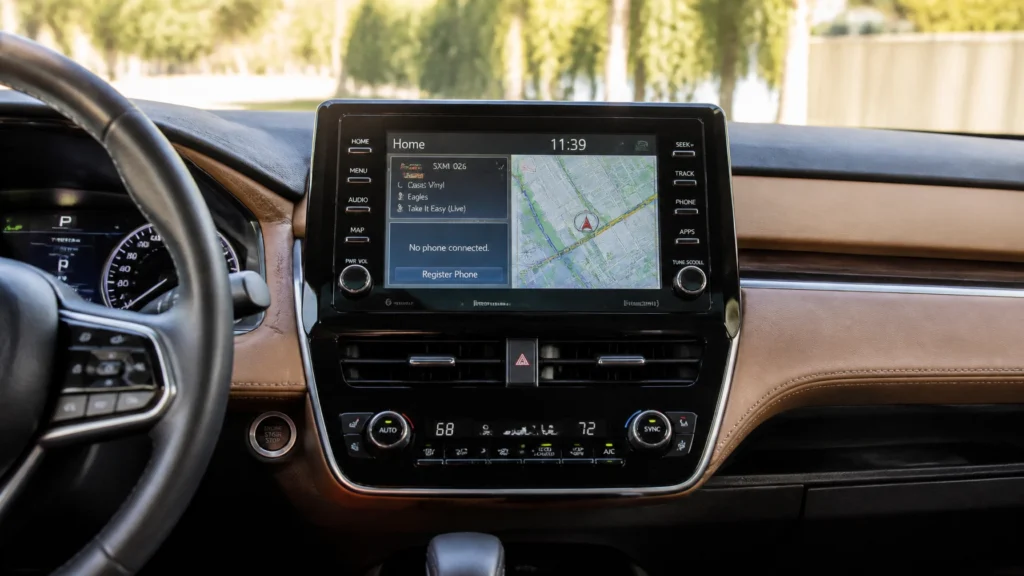
It’s about your car’s “Home” button. And how it’s basically a treasure map for anyone who gets their hands on your keys for five minutes.
Are you being tracked? Probably not by a high-stakes intelligence agency. But you might be handing your home address to a total stranger every time you go to a nice restaurant or park in a long-term lot.
Think about the last time you used a valet service. You hand over the keys, you get a little ticket, and you walk away. While you’re enjoying your steak or catching your flight, that valet has total control over your vehicle.
Most modern cars have a built-in GPS. And most of those have a dedicated button or menu item labeled “Home.” It’s convenient. You’re in a strange part of town, you’re tired, you hit one button, and the car guides you back to your sanctuary.
But here’s the problem: if I’m a dishonest valet or a thief who just smashed your window while you’re at the gym, I don’t need to search your glovebox for your registration. I just hit “Home.”
Knowing where you live is bad enough. But most of us have a second vulnerability clipped right to the sun visor.

If you have a garage door opener in your car, you’ve just provided the “Keys to the Kingdom.” A thief now has your exact address and the remote control to walk right into your house. They know you’re at the gym. They know you’re at the airport. They know you aren’t home.
It’s a masterclass in efficiency for a criminal. No guesswork. No scouting. Just a GPS coordinate and a button that opens the front door.
Seriously. Go out to the driveway or the garage. Grab your key fob. I’ll be here, finishing this lukewarm coffee and trying to convince the printer that paper actually exists.
…
Got ’em? Good.
Sit in the driver’s seat and look at your navigation screen. If you’ve programmed your actual house number into that “Home” setting, you’re currently part of the problem. But we’re going to fix it right now.
Privacy isn’t about hiding; it’s about control. You still want the convenience of that button, but you don’t want the risk.
Here is the Master’s Guide to fixing your GPS privacy in three minutes:

Now, when you hit that button, the car will guide you to the general area. You’ll be close enough to recognize the streets, but any stranger looking at that screen will be led to a 7-Eleven or a park instead of your front door.
If a valet hits the button, they see a generic destination. If a thief steals the car, they’re driving to a public place where you probably aren’t, rather than your empty house.
At FindASpy, we talk a lot about covert cameras and investigative support, but sometimes the biggest threats are the ones we program ourselves.
Awareness is the first pillar of protection. Once you know how a system can be exploited, it loses its power over you. By making your “Home” button lie for you, you’re staying one step ahead. You’re reclaiming the “Privacy” in “Personal Vehicle.”
It’s a small tweak. It won’t cost you a dime. But the peace of mind you get when you hand those keys to a valet? That’s worth the three minutes of programming.
Your convenience should never be a criminal’s shortcut. Digital systems are designed for ease of use, not necessarily for your security. It is up to you to add the layer of protection that the manufacturers left out.
We’re going deeper into the pocket. Most people think their phone is a vault. Tomorrow, I’ll show you why your “Deleted” photos might be the loudest things in the room.
Stay vigilant. I’ve got a printer to fight.
: Tracer

Your vote helps determine FindASpy Insider’s Readers’ Top Picks. One rating is allowed per reader for each article.
Today’s Coffee Conversation
Tracer shares cybersecurity stories, scam alerts, privacy tips, and investigative insights. Pull up a chair, share your experience, and help shape tomorrow’s discussion.