

Tracer’s morning at headquarters began with a heroic rescue mission.
The coffee machine had printed a paper receipt instead of brewing coffee. The receipt said, “See attached,” but there was no attachment. While Tracer was investigating whether the machine had developed an attitude, his phone rang.
The caller sounded professional. The number displayed on the screen looked familiar enough to create a false sense of comfort. The caller knew Tracer’s name, a former address, the name of a pharmacy he had used, the fact that he had recently moved, and the name of a relative.
That was the moment Tracer stopped listening to the story and started studying the clues.
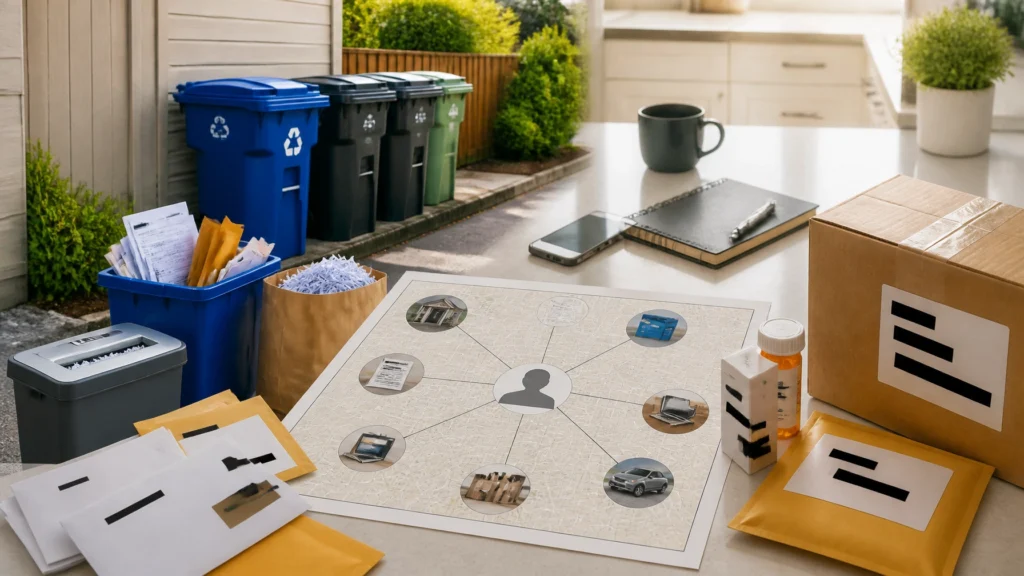
None of those details came from one dramatic secret breach. They could have come from scattered pieces of ordinary life: an old envelope, a public photograph, a pharmacy label, a property record, a people-search profile, or a casual conversation.
“Usually, I’ll give you upcoming breaches and scams. But this week, I’m pulling a few personal hacks and social-engineering defenses out of my notebook — practical ways to create time, spot pressure, and protect yourself when a situation feels wrong.”
Attackers do not always steal one giant secret. They assemble small clues until the collection becomes useful.
One clue identifies you. Another establishes where you live. A third reveals your family relationships or routines. A fourth supplies a believable reason to contact you.
Social engineering means manipulating a person into taking an action or revealing information. The attacker may sound helpful, familiar, urgent, or concerned. The goal is to make the next question feel normal.
Data brokers and people-search sites add another layer. These companies may combine public records, public social-media posts, marketing data, and other sources into reports. The FTC explains that a single name or phone number may lead to past addresses, relatives, employment history, property records, and more.
Information exposure does not prove that an attack occurred. But the more unnecessary clues available, the easier it becomes to create targeted phishing, impersonate a relative or company, guess security-question answers, attempt account recovery, support stalking, or make a fraudulent call sound personal.
What a stranger can learn: Names, addresses, account fragments, purchases, providers, medical information, and transaction details may appear on bills, receipts, shipping labels, bank statements, medical statements, or discarded forms.
How clues connect: A receipt identifies a store. An old bill provides an address. A prescription label supplies a pharmacy. Together, they create a convincing reason to call.
Reduce the exposure: Cross-cut shred sensitive papers. Use community secure-shredding events when available. Remove labels from packages. Do not put bags containing sensitive papers outside days before collection.
What a stranger can learn: An envelope may reveal your name, address, account sender, medical provider, financial institution, or travel-related correspondence. Mail theft may also target checks, cards, and benefit information.
How clues connect: A bank envelope paired with a public vacation post tells someone which institution you use and when your home may be empty.
Reduce the exposure: Retrieve mail promptly. Consider Informed Delivery, secure delivery options, or Hold Mail when traveling. Shred identifying envelopes. Report missing or tampered mail. Never leave sensitive outgoing mail in an unsecured box. The U.S. Postal Inspection Service offers mail-theft prevention guidance.
What a stranger can learn: A label may show your name, pharmacy, medication, prescriber, and refill timing. That information deserves protection without shame. Medical needs are normal, and privacy matters for everyone.
How clues connect: A pharmacy name and refill pattern can make a fake pharmacy call sound believable.
Reduce the exposure: Use a pharmacy take-back program when available. Scratch out personal information on empty packaging before discarding it, while following safe medicine-disposal guidance. Never leave loose medicines where children or pets can reach them. Follow the FDA’s disposal instructions.
What a stranger can learn: Birthdays, pets, relatives, schools, workplaces, locations, routines, home interiors, celebrations, and vacation dates may be visible.
How clues connect: A pet’s name may answer a security question. A vacation photograph may reveal when a home is empty. A relative’s name may support a fake family emergency.
Reduce the exposure: Limit your audience. Remove unnecessary birth dates, locations, routines, and family details. Disable location tagging. Review older posts and tags. Ask friends and relatives not to publish your address, travel schedule, or personal details. CISA’s online publishing guidance recommends treating the internet as public.

What a stranger can learn: A phone number or address may lead to relatives, past addresses, employers, property details, and other public information.
How clues connect: An old address can help an attacker sound like a former service provider or answer a knowledge-based identity question.
Reduce the exposure: Search for yourself using your name, phone number, and address. Submit opt-out requests through official people-search websites. Repeat the process periodically because information may reappear. Understand that an opt-out does not erase government public records or every relative’s listing. The FTC’s people-search guide explains the process and its limits.
What a stranger can learn: Shipping labels and return slips can reveal your name, address, retailers, order habits, and sometimes scannable barcodes.
How clues connect: A package from a medical supplier, electronics store, or specialty retailer can help create a highly specific fake delivery or account-support message.
Reduce the exposure: Remove or black out personal information before recycling boxes. Tear off return slips. Use pickup lockers or secure delivery options when appropriate.
What a stranger can learn: Devices may retain contacts, documents, scans, photos, location history, Wi-Fi names, saved passwords, or account sessions.
How clues connect: A saved document identifies an employer. A Wi-Fi name identifies a home. A photo reveals a family member or address.
Reduce the exposure: Back up what you need. Sign out of accounts. Erase or reset the device correctly. Remove storage media when appropriate, and recycle through reputable channels. The FTC’s device-disposal guide provides steps for backing up, erasing, and recycling computers.
What a stranger can learn: License plates, visible registration or insurance papers, dealership and service stickers, GPS accessories, work decals, and vehicle photographs may connect you to an address, employer, children, or daily routine.
How clues connect: A work decal plus a public parking photograph can identify where you work and when your vehicle is usually present.
Reduce the exposure: Avoid posting identifiable vehicle details publicly. Remove unnecessary decals. Secure documents inside the vehicle. If you have a credible concern about an unfamiliar device, document what you see and seek professional help rather than confronting anyone.
What a stranger can learn: These programs can connect purchases, household composition, address, phone number, interests, and preferred brands.
How clues connect: A retailer preference and household detail can support a fake rewards-account message or warranty call.
Reduce the exposure: Provide only information that is required. Read privacy choices. Opt out where available. Avoid using the same primary email address and phone number everywhere.
What a stranger can learn: A caller, visitor, or online contact may already know two true facts and use them to make the next question feel routine.
How clues connect: “I’m calling about the pharmacy near your old address” sounds more credible when the caller already knows both details.
Reduce the exposure: Do not confirm information simply because the caller says it first. Stop. Independently call the organization using a known number from an official statement or website. Contact someone you trust before acting.
Imagine four ordinary clues:
The scammer now makes a tailored call pretending to be the pharmacy or bank. The story sounds personal because it contains real facts.
That does not mean the caller has access to everything. It means the caller has enough pieces to create pressure.
The lesson is not paranoia. It is reducing unnecessary clues and independently verifying unexpected requests.

You can do this today:
Pause when a caller:
Do not rely on familiarity or caller ID. Legitimate organizations may need to verify information, but you control how that verification happens. End the conversation and contact the organization through a trusted, independently located number.
Small clues become powerful when someone else assembles them. Protect your trash, mail, devices, vehicle, profiles, and conversations as parts of one privacy system.
Choose one household information source today: a mail pile, package box, medicine cabinet, social profile, or old device. Close one gap before your next cup of coffee.
Tracer’s notebook is opening to a field hack about creating time when an unexpected request is designed to make you react before you think.
If you want a guided review of a privacy concern, you can reach the FindASpy team through our services page. For digital concerns, device questions, or suspected unauthorized access, contact Patricia at 321-342-0040 or (352) 241-7492. You can also review our privacy and security products and learn more about the team on our About Us page.
Disclaimer: The stories Tracer shares are based on real scams and security threats actively targeting our community. While the names and specific scenarios are crafted to protect identities, these tactics are a matter of when, not if. Tracer brings these to you fresh — so you see it here before it shows up at your door.
What ordinary clue surprised you most: discarded mail, prescription packaging, social media, an old device, or something else? Which State are you reading from? Have you created a household privacy routine, or is this the week you are starting one?
Tracer reads all posts.
If you have found a hidden gadget or unusual device, protect your privacy and share your own Community Find by clicking here. Please do not confront anyone or disturb possible evidence if you believe a device is connected to stalking, fraud, or unauthorized surveillance. Document what you can safely and seek appropriate professional support.
Sterling Reed, known to FindASpy readers as “Tracer,” is a cybersecurity engineer, digital investigator, consumer cybersecurity contributor, and founder of FindASpy.com in Clermont, Florida.
Learn more about Sterling Reed, his professional background, credentials, and published cybersecurity work →
Your vote helps determine FindASpy Insider’s Readers’ Top Picks. One rating is allowed per reader for each article.
Today’s Coffee Conversation
Tracer shares cybersecurity stories, scam alerts, privacy tips, and investigative insights. Pull up a chair, share your experience, and help shape tomorrow’s discussion.