

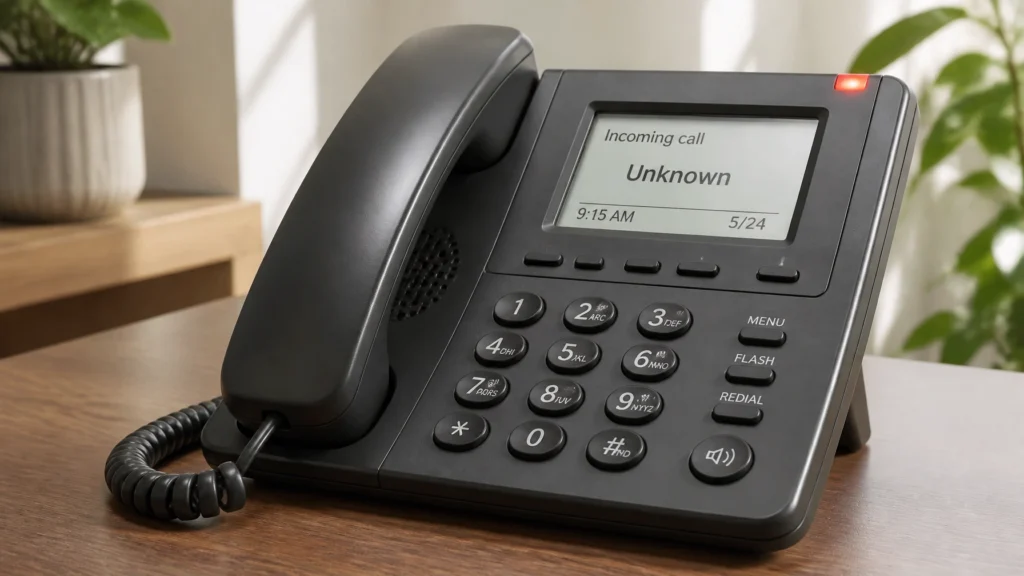
My cold brew was still icing the sides of the steel thermos when my phone buzzed on the workbench. It was 5:45 AM, and the FindASpy van was parked at a quiet turnpike rest stop just outside Orlando. Outside, the Florida pines were waking up under a pale pink sky. Tracer had one more annoyance to deal with that morning: the van’s windshield wipers were leaving streaks that would not clear, turning every swipe into a smeared mess across the glass.
Before I could even take a sip, another notification pinged. It was a text from Riplee back at HQ: “Tracer, you awake? Got a frantic message from a family friend in Tampa. She just got a call from ‘her bank.’ The caller rattled off her exact last 4 digits, her birthday, and a recent grocery store charge. She panicked and gave them her security pin before realizing what happened. How did they pull that off?”
I stared at the screen, took a slow pull of the cold brew, and sighed. This wasn't sophisticated malware or a zero-day exploit. This was pure, textbook social engineering, the art of weaponized psychology combined with harvested data.
Let's break down how scammers pull off these illusions, why knowing your personal details doesn't mean someone is legitimate, and how you can lock down your world so you never fall into the trap.
When an unexpected caller rattles off your correct birthday, the last four digits of your credit card, or a recent transaction, your brain’s survival instinct kicks in. You think: “Well, they must be from the bank! No one else would know that.”
That is precisely what the scammers are counting on.

In reality, criminals don't need access to your bank's secure mainframe to know these things. They acquire this intelligence through a systematic jigsaw puzzle of modern data collection:
Once a scammer compiles your dossier, they initiate contact using a tested, high-pressure script designed to bypass critical thinking.
They typically call or text claiming to be from a fraud department, a major utility provider, or a collection agency. The conversation often goes like this:
"Hello, is this [Your Full Name]? We noticed an unauthorized charge of $480 originating from out of state on your account. To verify your identity and block the transaction, I just need you to confirm your date of safety and the last four digits of your card… Oh, wait, I see your account has an outstanding verification flag. But listen: because I like you and want to help, if you clear the verification code I'm sending you right now, we can waive the fee and knock $200 off your balance immediately. Do it now before the system locks your account forever."
Notice the psychological triggers at play:
When victims comply under duress, they unwittingly hand over authentication tokens, banking passwords, or authorization codes.
Protecting yourself against social engineering doesn't require a degree in cybersecurity. It requires adopting a zero-trust mindset for inbound communications:
For professional guidance or comprehensive privacy evaluations, explore our spyware removal services and browse our privacy protection tools. If you ever need immediate assistance, our 24/7 AI receptionist Patricia is ready to take your call at 321-342-0040. You can also learn more about our team on our About Us page.

Let’s turn this lesson into immediate action before you finish your morning coffee:

Catch up on past investigations and security breakdowns by visiting our Morning Coffee with Tracer Archive.
Tomorrow, we’re looking at how simple public records calculators can expose personal information you assumed was private: and how to lock it down. Stay vigilant, stay protected, and I'll see you in the next cup.
Disclaimer: The stories Tracer shares are based on real scams and security threats actively targeting our community. While the names and specific scenarios are crafted to protect identities, these tactics are a matter of when, not if. Tracer brings these to you fresh — so you see it here before it shows up at your door.
We want to hear from our reader community! Drop a comment below and let us know:
Tracer reads every single comment posted here. If your response is chosen as "Tracer's Pick," you might just receive a complimentary counter-surveillance device shipped directly to your door!
Got a suspicious gadget, tracker, or hidden device you want us to investigate? Upload your photo and details to share with our network by clicking here.
Your vote helps determine FindASpy Insider’s Readers’ Top Picks. One rating is allowed per reader for each article.
Today’s Coffee Conversation
Tracer shares cybersecurity stories, scam alerts, privacy tips, and investigative insights. Pull up a chair, share your experience, and help shape tomorrow’s discussion.