

Pull up a chair, grab yourself a plate of stack-high buttermilk pancakes, and pour another cup of dark roast. It’s Sunday morning here at brunch, and while the syrup is still warm, we need to talk about something that’s hanging quietly right above our heads in cities across America.
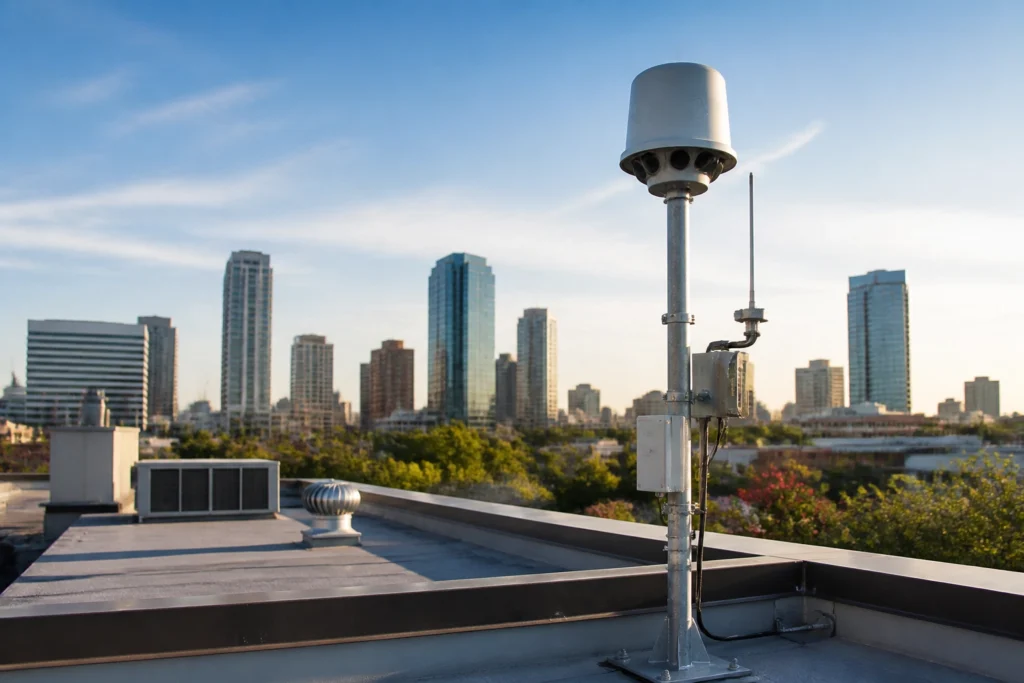
If you look up at the rooftops or utility poles in select neighborhoods across the country, you might notice small, unassuming cylindrical boxes or disc-like sensors. They aren’t weather vanes, and they certainly aren’t decorative birdhouses. Those are acoustic sensors deployed by SoundThinking, formerly known as SST Inc., operating a system widely known as ShotSpotter.
Promoted as a high-tech shield against urban gun violence, ShotSpotter listens to the city 24/7, promising instantaneous alerts when a firearm is discharged. But as we unpack the layers over our morning coffee, you’ll find that the reality behind these rooftop microphones involves staggering false-positive rates, millions of taxpayer dollars, and deep, lingering questions about public privacy and acoustic surveillance.
So let’s break down the gear, look at the numbers, and figure out what this means for your neighborhood.
To understand the controversy, you first have to understand the technology. ShotSpotter is an acoustic gunshot detection network. SoundThinking installs proprietary arrays of high-sensitivity microphones on rooftops, light poles, and municipal buildings in designated coverage zones.
The system operates continuously. When a loud, impulsive sound occurs, say, a sharp bang: the microphones capture the audio wave. Algorithms calculate the exact time the sound arrives at multiple sensors, triangulating its origin within feet. Within seconds, the audio snippet is allegedly vetted by human reviewers at a remote center who decide whether to classify the sound as gunfire. If they sign off, an alert flashes on police dispatch terminals, complete with a red dot on a map and estimated coordinates.
On paper, it sounds like sci-fi law enforcement magic. Police cruisers get dispatched directly to the source before 911 calls even start rolling in. But when you look under the hood: or rather, when independent auditors look at the data: the engine starts sputtering pretty fast.

SoundThinking has long defended its proprietary system by claiming an impressive accuracy rate: often citing figures above 97% and a false-positive rate under 1%. In corporate brochures, it’s portrayed as an infallible digital ear.
However, independent audits tell a radically different story.
When investigative journalists, academic researchers, and municipal auditors (such as the New York City Comptroller and civil liberties groups in Chicago and Boston) examine actual operational data, the numbers flip. In various independent studies, 80% to 92% of ShotSpotter alerts did not correspond to confirmed shootings.
Let that sink in for a moment over your morning coffee.
What are these systems actually hearing? The vast majority of false alarms are triggered by everyday urban noises:
When algorithms and remote human auditors misclassify a truck backfire as automatic gunfire, armed police officers are dispatched into neighborhoods with weapons drawn based on a ghost signal. In cities where these systems operate, officers have spent thousands of hours rushing to non-events, wearing down community trust and stretching emergency response resources thin.
Beyond accuracy, the core issue keeping privacy advocates up at night is the nature of the technology itself. ShotSpotter is, by definition, a network of live microphones deployed in public spaces, recording environmental audio around the clock.
SoundThinking insists that its sensors are engineered to trigger exclusively on impulsive explosive sounds, that human voices cannot be transcribed, and that audio clips are automatically purged after a short window. They point to independent privacy reviews to reassure the public.

Yet, civil liberties organizations like the ACLU and legal scholars point out several troubling realities:
If municipal streets are echoing with digital listeners, it reminds us of a fundamental rule in personal security: awareness is your first and best defense. Whether you’re concerned about corporate espionage in an office, unwanted tracking on your vehicle, or unauthorized recording devices in private spaces, you don’t have to leave your privacy to chance.
When dealing with suspicious signals: whether acoustic, radio frequency (RF), or optical: having the right diagnostic gear makes all the difference. At FindASpy.com, we provide professional-grade counter-surveillance tools to help you take control of your environment. From advanced RF detectors and bug sweepers to specialized equipment, our catalog is designed to give everyday people professional capabilities.

If you suspect your property, vehicle, or business has been compromised by hidden trackers, covert cameras, or unauthorized audio gear, you don’t have to navigate it alone. Our licensed, bonded, and insured team offers comprehensive professional services, including our signature HaloSweep property and device sweeps.
When you want certainty instead of guesswork, give Patricia a call directly at 321-342-0040. She’ll point you in the right direction with zero judgment and total discretion.
Technology moves fast, but civic awareness moves faster. Knowing what kind of hardware is operating in your community: from rooftop acoustic sensors to automated license plate readers: is the first step toward safeguarding personal boundaries in a hyper-connected world.
Before you head out to tackle the rest of your Sunday, take a second to check out what everyday gadgets and security curiosities our readers are unearthing over at our Community Finds page.
We want to hear from you over our last sip of coffee:
Drop your thoughts in the comments below. Rip Lee reads every single post, and we always love hearing how privacy concerns manifest in your local backyard. And if you’ve spotted a strange gadget yourself, remember to upload it to our community archive!
Your vote helps determine FindASpy Insider’s Readers’ Top Picks. One rating is allowed per reader for each article.