

7:02 AM.
The office is still holding onto the night’s chill. I really need to look at that thermostat, or at least stop forgetting to turn it up before I leave. I flick the switch on the coffee maker and listen to that first, glorious hiss of water hitting the grounds. It’s the only sound in the room besides the soft hum of the servers in the back corner.
I drop into my chair, and the monitors flicker to life, casting a neon-green glow across my desk. There it is, the first casualty of the morning. My printer has decided that today is not a “black ink” kind of day. It’s blinking a red warning light like a miniature alarm. I ignore it. I’ve got enough red lights in my life.
I reach for my mug, the one with the chipped handle, and realize I haven’t even poured the coffee yet. I’m already behind. Typical.
I glance at the stack of yellow sticky notes on the edge of my screen. One stands out. It’s a printout of an email from our Community Finds portal. A reader named Sarah sent it in. She’d bought a $100 gift card for her nephew’s birthday. When he went to use it two days later, the balance was zero.
Sarah was careful. She didn’t give the number to a “tech support” scammer. She didn’t lose the card. She just bought it off the shelf.
Something didn’t feel right. And she was right to trust that gut feeling.

Most people think of hackers as guys in hoodies in dark basements. And sure, some are. But the ones hitting your local big-box store are more like stage magicians. They use a subtle sleight of hand that happens right in front of your eyes while you’re debating between a vanilla-scented candle and a new set of dish towels.
Here’s the reality: scammers are turning our well-intentioned gifts into a private treasury for their own illicit funds. They’ve found a surprising vulnerability in a system we all trust.
It starts with a device no bigger than a keychain.
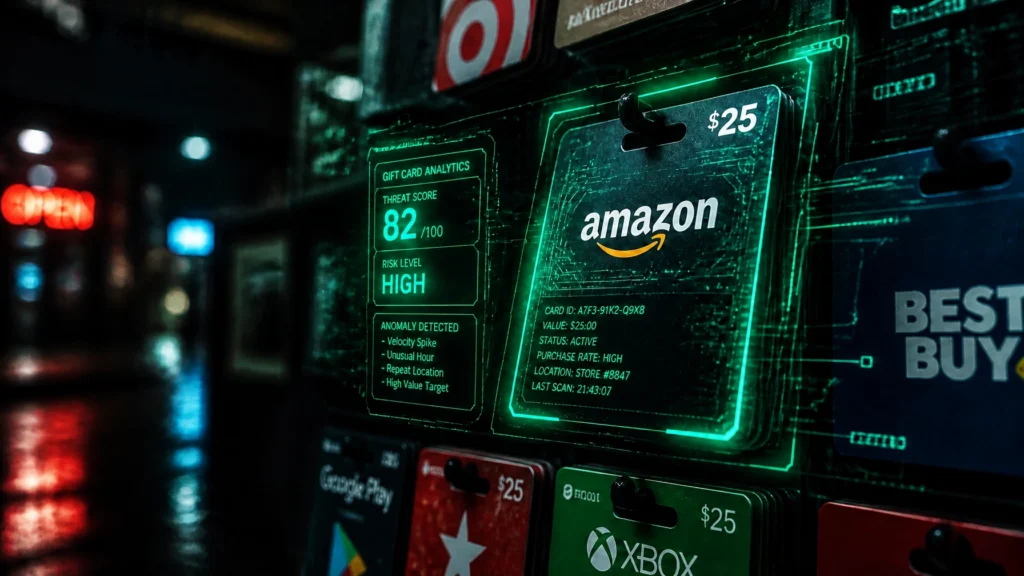
Imagine a “shopper” standing at the gift card rack. They aren’t looking for the perfect design. They’re working. They select a card, and with a quick, practiced motion, they pass a miniaturized wireless skimmer over the barcode. This isn’t science fiction; it’s a $20 tool you can find on the dark corners of the web.

That little device captures the card’s serial number and barcode details in milliseconds. The scammer doesn’t even have to leave the aisle. They blend in with the crowd, “shopping” for data. Once they’ve “skimmed” a dozen cards, they simply place them back at the front of the stack.
The trap is set. All it needs now is a participant.
The real danger unfolds when you, the genuine customer, walk up and grab that card from the front of the pile. You take it to the register. You hand over your hard-earned cash. The cashier swipes it, and the card is activated.
That’s the “ping” the scammer is waiting for.
Using the data they captured earlier, they’ve set up a system to alert them the moment that specific serial number goes live. At that point, they have everything they need. They don’t need the physical card. They have the “digital twin.”
Within minutes, they can transfer those funds onto a blank card or use the info to make high-end purchases online. All while you’re driving home, feeling good about the gift you just bought. By the time Sarah’s nephew tried to buy his video game, the money was long gone. It had been laundered through three different accounts before the birthday cake was even cut.
Are you being tracked? In this case, it wasn’t Sarah being followed, it was the card itself.
If you have a gift card sitting in your junk drawer or your wallet right now, go grab it. Seriously. I’ll wait. (My coffee is finally ready anyway).
Take a close look at the back of that card.
If anything feels “off,” it probably is. In the world of surveillance detection, we call this “trusting your baseline.” If it doesn’t look like the other cards, it’s a threat.
We don’t share these stories to make you stop buying gifts. We share them so you can move through the world with your eyes open. Awareness is the first pillar of protection.
You aren’t defenseless. In fact, outsmarting these modern-day pirates is actually pretty simple once you know their playbook.

First, always reach for the back. Scammers are lazy. They want to get in and out quickly, so they almost always place their compromised cards right at the front of the rack. By pulling a card from the very back of the pile, you’re significantly reducing your risk.
Second, look for the locked cabinet. Many stores are starting to move high-value gift cards behind the counter or inside locked glass cases. These are much harder for a “casual shopper” to tamper with. If the store offers them, buy those.
Third, speed is your friend. Scammers rely on the “delay” between purchase and usage. If you buy a card, tell the recipient to use it quickly. Or, if you’re the one who received it, load it onto your digital wallet (like Amazon or Starbucks) immediately. Once those funds are moved into your personal account, the “digital twin” the scammer holds becomes worthless.
Privacy isn’t just about hidden cameras or GPS trackers. It’s about the data we leave behind in the most ordinary places. A gift card rack is just a data terminal if you look at it through a scammer’s eyes.
Stay vigilant. Stay informed. And maybe buy the cards from the back of the rack from now on.
I’m going to go see if I can convince my printer to give me that report in black and white. If you don’t hear from me tomorrow, I’ve probably been defeated by a piece of office equipment.
The Coffee Challenge
Tomorrow’s Hint:
Why your phone charger might be gossiping about you behind your back. (And no, it’s not just “draining” your battery).
Stay safe out there.
( Tracer)
Your vote helps determine FindASpy Insider’s Readers’ Top Picks. One rating is allowed per reader for each article.
Today’s Coffee Conversation
Tracer shares cybersecurity stories, scam alerts, privacy tips, and investigative insights. Pull up a chair, share your experience, and help shape tomorrow’s discussion.